
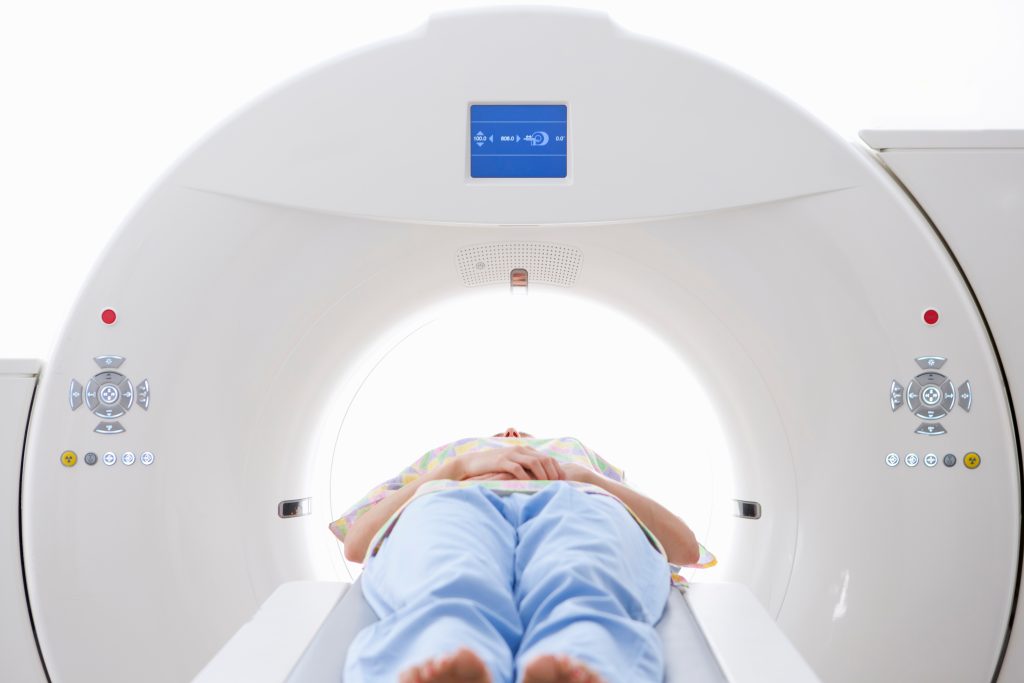
You do not have to feel sick to want more information about your health. Many people schedule preventive imaging because they have a family history that concerns them, years of lifestyle or occupational exposure, a previous health finding, or simply a desire to take a more proactive approach.
A preventive Full Body CT creates detailed images of multiple areas of the body during one appointment. It can provide a broader internal health snapshot, but it is important to understand what that information represents. The scan does not diagnose every condition, predict the future, or replace routine medical care. Instead, it provides imaging observations that you can review with a qualified healthcare provider.
What Is a Preventive Full Body CT?
Computed tomography, or a CT scan, uses rotating X-ray equipment and computer processing to create detailed 3D views of the body’s internal structures. These images provide more detail than a standard X-ray but involve more radiation, and they can show organs, bones, blood vessels, and other internal structures.
A preventive full body scan differs from physician-directed diagnostic imaging. Diagnostic CT is generally ordered to investigate a symptom, injury, abnormal laboratory result, or known medical concern. Preventive imaging is elective and is chosen by someone who wants additional information even though they may not have a specific symptom or diagnosis.
At Visionary Wellness & Imaging, the purpose is not to diagnose a condition. The goal is to give clients a broader imaging-based view of their health and information they can discuss with their healthcare provider.
What Areas Are Included in a Full Body CT?
- The heart and coronary calcium, including plaque buildup in arteries and possible aneurysms
- The lungs and chest
- The liver, pancreas, kidneys, and other abdominal organs, which may also show liver abnormalities, kidney stones, or signs of diverticulitis
- The pelvis and surrounding structures
- Bones, major vessels, and other visible anatomy, where the scan can sometimes show tumors in various organs, infections, inflammation, and other abnormalities
Because the scan covers several regions, it offers a wider internal snapshot than an exam focused on one organ or one body system.
What Kind of Information Can the Scan Provide?
A Full Body CT may show early signs of structural disease that were not previously known, including heart and vascular disease. These could include coronary calcium, lung nodules, kidney stones, cysts, areas of calcification, organ enlargement, fractures, spinal degeneration, signs of bone infection, or internal injuries that may support early disease detection and deserve discussion or follow-up.
Not every observation is dangerous or urgent. Some findings are common, benign, or unrelated to a person’s current health concerns. The radiologist reviews the images and prepares a report describing what was observed and whether further evaluation should be considered.
In Visionary’s reviewed scan and result entries, findings were noted in approximately 72% of Full Body CT entries. This information reflects reviewed entries rather than unique patients, and the findings were imaging observations—not confirmed diagnoses. For example, a lung nodule on imaging may still need follow-up testing to determine what it means.
Why Schedule Preventive Imaging When You Feel Well?
Feeling well is important, but even healthy people may want more information about what is happening inside the body.
Someone may consider a preventive Full Body CT because of:
- A family history of cardiovascular disease or other health conditions
- A smoking history or occupational exposure
- Age-related health concerns
- Previous imaging findings that they want to understand better
- Limited access to broader health information through routine care
- A personal goal of becoming more proactive about wellness
Routine whole body CT screening is not recommended by major health organizations for healthy individuals, and the FDA has found no proven benefit for asymptomatic people considering whole body imaging. A scan should be considered as one possible source of information, not as a replacement for physical examinations, laboratory testing, guideline-recommended screenings, or an ongoing relationship with a healthcare provider. Scientific evidence supports using targeted ct screening only when a doctor recommends it, not as a general screen for healthy individuals.
What Can a Full Body CT Not Tell You?
- Microscopic or very small changes
- Every form of cancer
- Some soft-tissue abnormalities, where magnetic resonance imaging, an mri scan, a full body mri, or a whole body mri may be better suited in selected cases
- Functional problems that do not change physical structure
- Conditions best evaluated through MRI, ultrasound, laboratory testing, endoscopy, or another specialized exam, though a full body mri scan or body mri also has limitations outside targeted medical evaluation
- Certain abnormalities that require contrast material to see more clearly
A normal report does not guarantee that a person is free of disease. Similarly, an observation on the report does not automatically mean that a person has a serious medical problem, and CT scans can miss some conditions, which may create false reassurance after a normal report.
What Should You Know About Radiation and Incidental Findings?
CT imaging uses ionizing radiation and exposes patients to relatively high radiation levels compared with many other screening options. The appropriate balance between potential information and radiation exposure depends on the individual, the scan protocol, and the reason the scan is being considered. The FDA advises that possible benefits should be weighed against the risks when imaging healthy, asymptomatic people. Estimates often cite a lifetime cancer risk of about 1 in 2,000 from a single CT scan.
A scan may also reveal an incidental or unexpected abnormal finding—something noticed unexpectedly and unrelated to why the person scheduled the scan. Some incidental findings lead to helpful follow-up. Others are false positives that can lead to unnecessary follow-up tests, additional testing, anxiety, or concern about a health problem that is not actually present.
Whole-body CT scans detect cancers in only about 1% to 2% of adults, so it is important to weigh these potential risks against the likely benefit.
Before scheduling, consider asking:
- What areas will the scan include?
- Does the scan use contrast?
- What radiation dose is associated with the exam?
- Who reviews the images?
- How and when will I receive the report?
- What should I do if the report recommends follow-up?
- Which routine health screenings do I still need?
What Happens After the Scan?
The images are reviewed by a radiologist, who prepares a written report. If an observation is noted, the report may recommend monitoring, comparison with prior imaging, or another type of evaluation, including targeted cancer screening when appropriate.
Follow-up after an incidental finding can include further imaging or cancer care, depending on what is seen.
Visionary does not diagnose or treat the finding. Clients should share their report with a primary care provider or appropriate specialist, who can interpret the information alongside symptoms, medical history, examination findings, and other testing. An abnormal result on a whole body MRI or other broad scan is often not clinically important; for context, about 95% of abnormal findings from whole-body MRIs are not relevant. Extra follow-up testing can cost thousands of dollars, while insurance may cover some or all of the CT scan costs depending on the situation.
Seek immediate medical care for new or severe symptoms rather than scheduling preventive imaging. A Full Body CT is not a substitute for emergency evaluation.
A Broader Look Is One Part of Preventive Health
Preventive health includes knowing your risk factors, maintaining routine care, completing recommended screenings, and making informed decisions about your health while weighing cost, benefits, and risks. A Full Body CT can add imaging information to that larger picture, but it should never be treated as a complete evaluation on its own, and early detection can sometimes protect your life.
Visionary Wellness & Imaging provides preventive Full Body CT scans in Irving for clients throughout Dallas and the greater DFW area. Don’t wait for symptoms to appear, schedule your scan today!