What Is A Carotid Ultrasound?
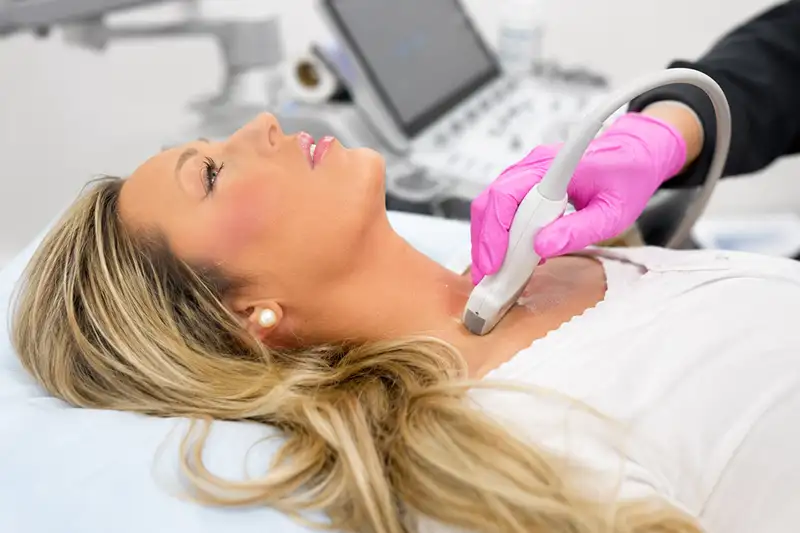
A carotid ultrasound is a non-invasive exam that uses sound waves to create images of the carotid arteries. These arteries are located on each side of the neck and carry blood from the heart to the brain.
The exam often includes Doppler ultrasound, which evaluates blood flow through the arteries. This can help identify narrowing, blockage, or plaque-related findings.
Why Consider A Carotid Ultrasound?
A carotid ultrasound may be worth considering if you have risk factors related to vascular or stroke-risk concerns, such as:
- High blood pressure
- High cholesterol
- Diabetes
- Smoking history
- Family history of stroke or heart disease
- Known vascular disease
- Carotid bruit discussed with a provider
- A desire for more information about vascular health
In reviewed Visionary Carotid Ultrasound entries, findings were noted in approximately 31% of reviewed results. These findings are imaging observations, not confirmed diagnoses, and may require follow-up with a qualified healthcare provider.
How Is A Carotid Ultrasound Performed?
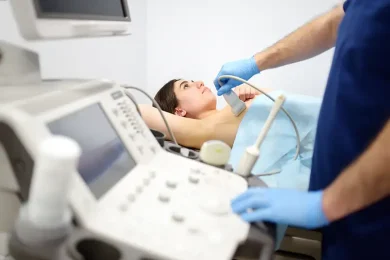
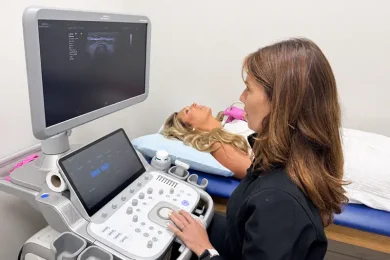
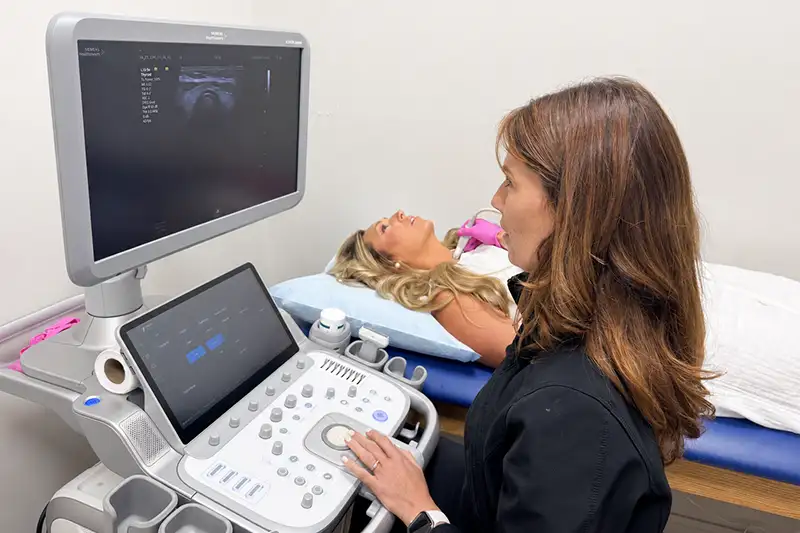
During a carotid ultrasound, you lie on an exam table while gel is applied to the neck. A handheld transducer is moved over the carotid artery area to capture images and blood flow information.
The exam is non-invasive, does not use radiation, and usually requires little to no preparation. You may hear pulse-like sounds during the Doppler portion of the exam.
What To Expect After A Carotid Ultrasound
After the exam, you can return to normal activities. There is no sedation and no downtime.
Your results are reviewed and organized into a report. If narrowing, plaque, or blood flow changes are noted, you can share the report with your healthcare provider to discuss follow-up, monitoring, or additional evaluation.
Frequently Asked Questions About Carotid Ultrasound
What does a carotid ultrasound show?
A carotid ultrasound may show plaque buildup, narrowing, blockage, or blood flow changes in the carotid arteries.
Does carotid ultrasound use radiation?
No. Carotid ultrasound uses sound waves and does not use radiation.
Who should consider carotid ultrasound?
People with high blood pressure, high cholesterol, diabetes, smoking history, or family history of stroke or heart disease may consider carotid ultrasound.
Does carotid ultrasound diagnose stroke risk?
It can identify imaging findings related to the carotid arteries. Stroke-risk evaluation and treatment decisions should be made with a qualified healthcare provider.