What Is A Heart Scan?
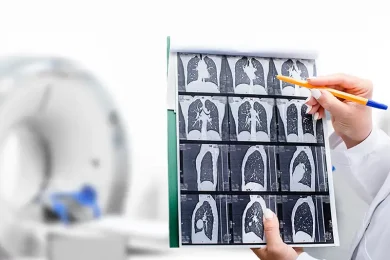
A heart scan is a non-invasive CT scan that measures calcium in the coronary arteries. This is often called a coronary calcium score or calcium score test.
Calcium in the coronary arteries can be a sign of plaque buildup. The scan helps show whether calcified plaque is present and gives you a calcium score that you can review with your healthcare provider.
A heart scan does not require contrast, sedation, or downtime. It is designed for people who want more information about silent heart risk before symptoms appear.
Why Consider A Heart Scan?
Heart risk is not always something you can feel. Some people have plaque buildup for years before symptoms appear. A heart scan may be worth considering if you have risk factors such as:
- High blood pressure
- High cholesterol
- Diabetes
- Smoking history
- Family history of heart disease
- Age-related heart risk
- Sedentary lifestyle
- Excess weight
In reviewed Visionary Heart CT / Calcium Score entries, findings were noted in approximately 46% of reviewed results. These findings are imaging observations, not confirmed diagnoses, and may require follow-up with a qualified healthcare provider.
How Is A Heart Scan Performed?
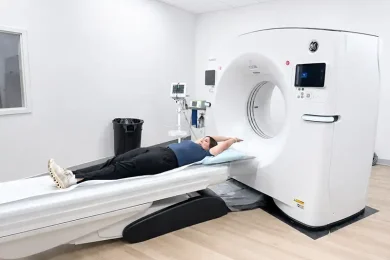
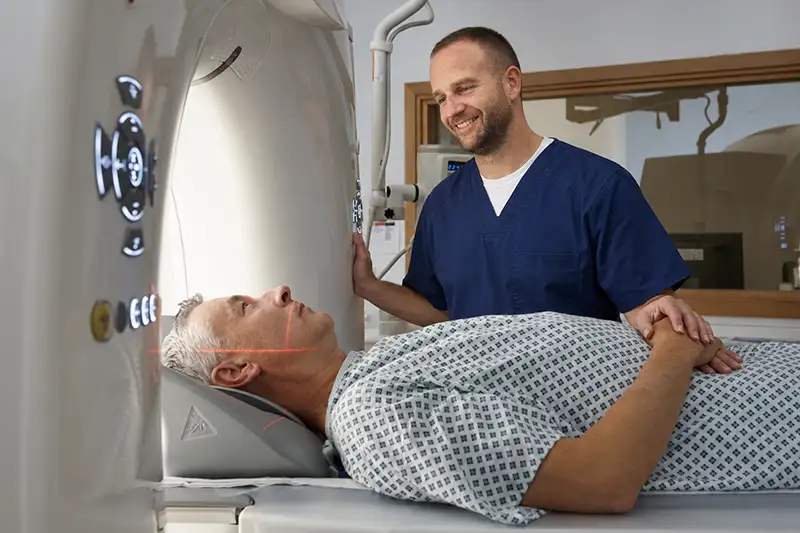
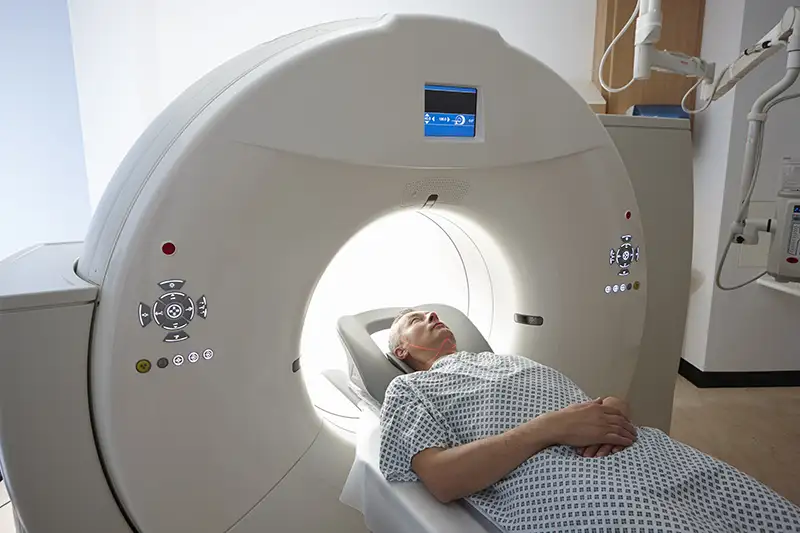
During a heart scan, you lie on the CT table while the scanner captures images of the heart. The scan is quick, non-invasive, and does not require contrast.
Our team helps position you comfortably and explains the process before imaging begins. After the scan, the images are reviewed and organized into a report that includes your coronary calcium score.
What To Expect After A Heart Scan
After your heart scan, you can return to normal activities. There is no sedation and no recovery period.
Your results are reviewed by radiology professionals and provided in a report. If your scan shows coronary calcium or another finding, you can share the report with your healthcare provider to discuss follow-up, prevention, monitoring, or additional evaluation.
A heart scan is not a substitute for emergency care. If you have chest pain, shortness of breath, sudden weakness, or symptoms of a heart attack or stroke, seek emergency medical attention.